


 Location
 Login
Login
The fastest way to add seating and improve ride comfort is a bolt-on rear flip-seat kit; for the best comfort upgrade, choose a premium contoured replacement seat with high-density foam and weather-grade vinyl. If you’d rather skip the parts hunt entirely, Import Junkies’ 48V Renegade Edition 4-seater comes with upgraded seating and flip-seat capability already installed.
Rear flip-seat kits like the MODZ Flip4 bolt directly onto Club Car, EZGO, and Yamaha frames without cutting or welding, converting a two-seat cargo bed into passenger seating in an afternoon. Premium seats from brands like MadJax add contoured bolstering, taller headrests, and in some cases active heating and cooling. Both routes solve different problems, and most owners end up needing to answer one question first: do you need more seats, or better seats?
Best turnkey option: Import Junkies’ Renegade Edition 4-seater, for buyers who want upgraded seating and passenger capacity without sourcing parts separately. Best comfort upgrade: Premium contoured replacement seats with high-density foam, like the MadJax Aviator line. Best budget fix: Universal seat covers or foam refills for owners who just need a quick refresh. Best passenger-capacity fix: A bolt-on rear flip-seat kit that turns a 2-seater into a 4-seater in a weekend.
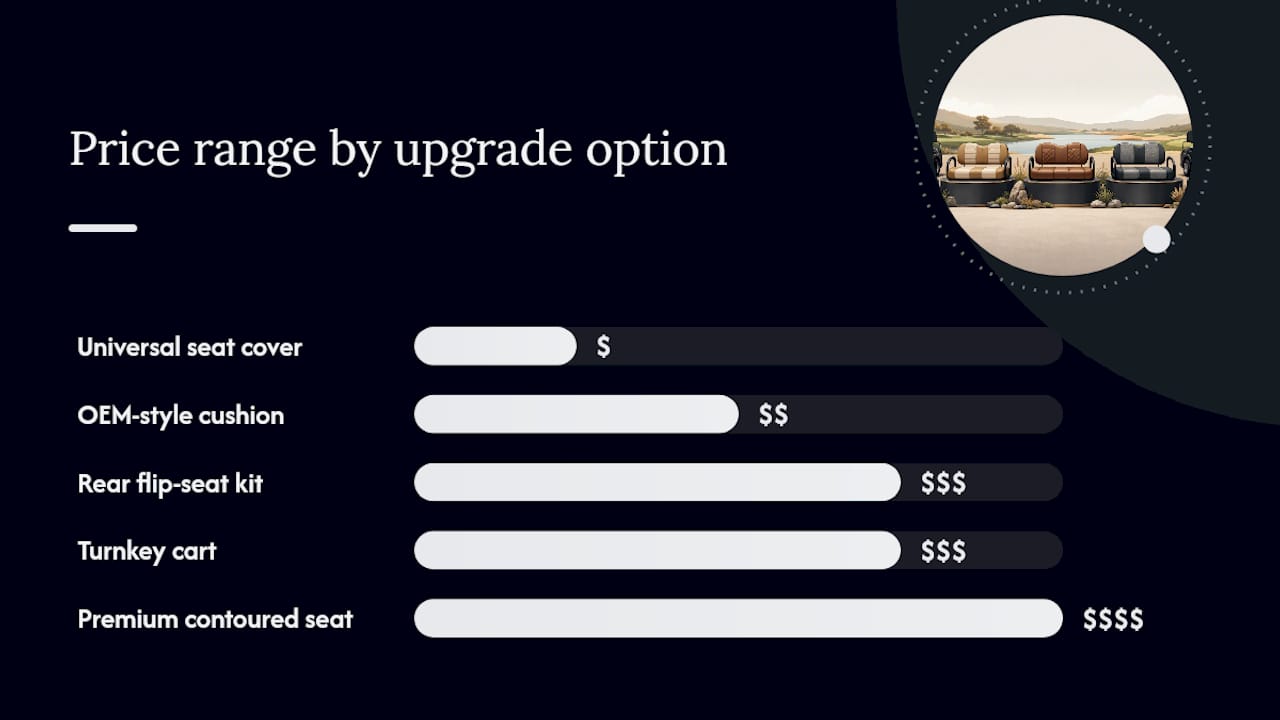
| Option | Best For | Materials | Price Range | Install Difficulty |
|---|---|---|---|---|
| Rear flip-seat kit | Adding passenger capacity | Vinyl over foam, steel frame | $$$ | Bolt-on, moderate DIY |
| Premium contoured seat | Maximum comfort | High-density foam, marine-grade vinyl | $$$$ | Bolt-on, easy to moderate |
| OEM-style replacement cushion | Restoring factory fit | Standard foam, OEM-match vinyl | $$ | Easy, bolt-on |
| Universal seat cover | Budget refresh | Vinyl or neoprene | $ | Very easy |
| Turnkey cart (Import Junkies) | Skipping the parts search | Factory-installed upgraded seating | $$$$ | None, already installed |
Key Takeaways
Bolt pattern measurement, not product research, is what actually determines whether a golf cart seat upgrade fits correctly the first time.
| Point | Details |
|---|---|
| Match the fix to the need | Choose a flip-seat kit for passenger capacity and a premium contoured seat for comfort. |
| Measure before buying | Record bolt-center spacing, cushion depth, and backrest height before shopping. |
| Budget by upgrade type | Covers run —; flip-seat kits run —; premium seats can exceed $1,200. |
| Check installation difficulty | Rear seat kits and cushion swaps are bolt-on jobs most owners can DIY in under four hours. |
| Consider the turnkey route | Import Junkies sells 4-seater carts like the Renegade Edition with upgraded seating already installed. |
Table of Contents
- Golf Cart Seat Upgrade Shortlist: What Actually Fits Your Cart
- How Do You Choose the Right Golf Cart Seat Upgrade?
- Installing and Upgrading Golf Cart Seats: What to Expect
- What I’d Actually Buy: A Straight Answer on Seat Upgrades
- Skip the Parts Search: Buy a Cart With Seats Already Upgraded
- Where to Learn More or Buy Parts
- Sources
Golf Cart Seat Upgrade Shortlist: What Actually Fits Your Cart
Not every seat upgrade fits every cart, and that’s the trap most first-time buyers fall into. Here’s how the real contenders break down.
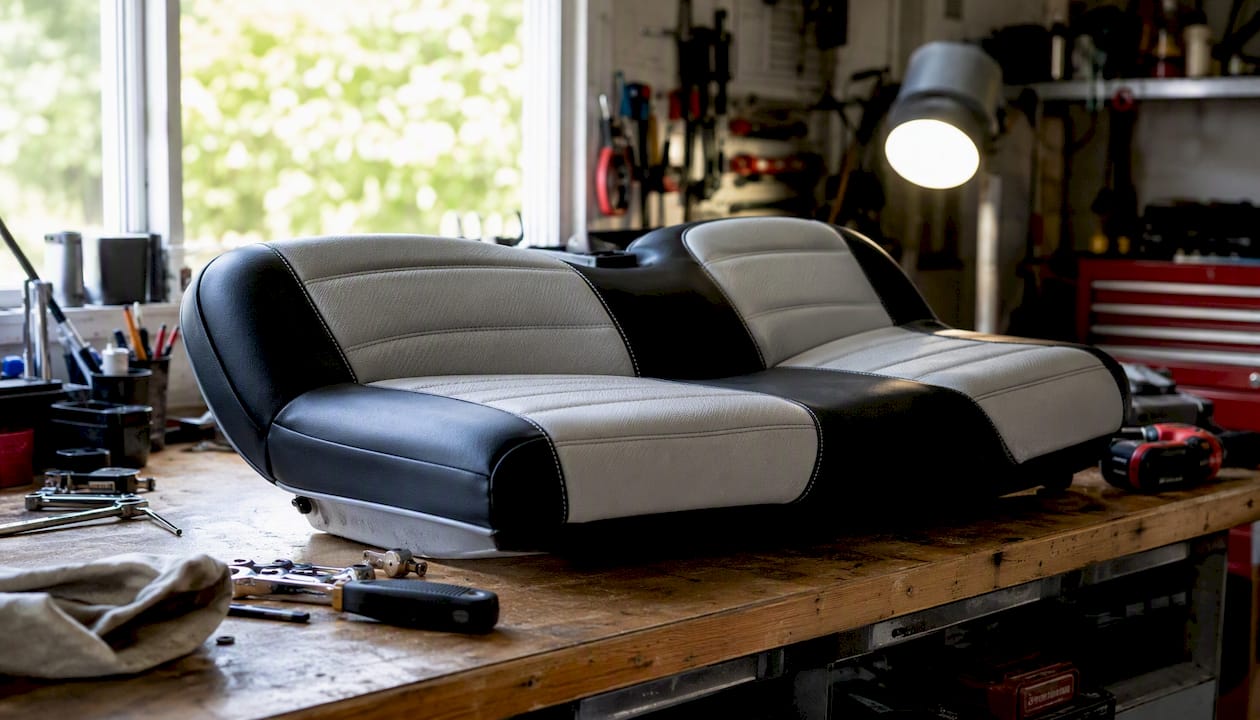
Import Junkies — 48V Electric Golf Cart 4-Seater Renegade Edition. This is the shortcut option. Instead of buying a rear seat kit and installing it yourself, you buy a cart that already has the upgraded seating and flip-seat function built in. It comes with vehicle-level warranty coverage and full specs listed on the product page, which removes the fitment guesswork entirely. Best for buyers who want a ready vehicle now rather than a weekend project.
Club Car OEM replacement seats and rear seat kit. Club Car sells premium replacement cushions built to match factory bolt patterns model by model, plus a fold-out rear seat kit that flips between passenger seating and a flat cargo deck. Because these are made by the manufacturer, fitment problems are rare. Expect a moderate bolt-on install and a price premium over generic alternatives.
EZGO OEM-style replacement seats. EZGO owners get a similar advantage: cushions sized to factory bolt spacing, so there’s no cutting or shimming. These work best for owners who want factory-correct looks rather than a custom aesthetic.
Yamaha OEM-style replacement seats. Yamaha’s replacement line follows the same logic, model-specific fit, factory-matched color options, and a straightforward bolt-on swap. If your cart is a Yamaha Drive2 or Drive, matching the OEM seat spec avoids the bolt-spacing mismatches that cause most return requests.
MadJax (Aviator series). This is the premium comfort pick. The Aviator Graphite seat with ThermaFlex adds active heating and cooling, dual control panels, and a taller headrest than stock seating offers. It’s built for owners who use their cart daily and want a genuine step up from factory foam, not just a cover swap.
GolfCartStuff and Buggies Unlimited (US retailers). Both carry wide selections of rear seat kits, universal covers, and OEM-style cushions, and both routinely recommend suspension or spring upgrades when you add passenger weight through a rear seat kit. They’re useful comparison shopping stops when you already know what you need.
ShopEZGO. A parts and seat retailer focused specifically on EZGO fitment, useful if you want a single source that stocks nothing but EZGO-compatible parts.
Backspin Seating. Specializes in custom seat covers and cushions with a range of colors and patterns, aimed at owners who want a style refresh without a full seat swap.
Lazy Life. Known for cushion comfort lines aimed at golf-course and resort fleets, a solid option if you’re outfitting more than one cart.
Suite Seats. A smaller aftermarket brand offering upgraded cushion options at a mid-range price point, generally positioned between budget covers and premium contoured seats.
DoubleTake. Makes aftermarket seats and body kits, often paired together for owners doing a full style overhaul rather than seating alone.
El Tigre. Focuses on rugged, higher-durability seating aimed at utility and work-cart applications rather than golf-course cosmetics.
Modz. Offers aftermarket seat kits alongside its body and lift kit lines, popular with owners building a custom look from the frame up.
Pro Tip: If you’re converting a 2-seater to a 4-seater, check your rear cargo area for existing mounting holes before buying a kit. Many carts already have the flip-seat cup holder brackets pre-drilled from the factory, which shaves real time off installation.
Converting a 2-seater to a 4-seater with a bolt-on kit is one of the most common seat upgrades owners make, according to reference guidance from the USGA on cart usage and course rules, and most kits, including the MODZ Flip4, install without welding or frame modification.
How Do You Choose the Right Golf Cart Seat Upgrade?
Start with what you actually need, not what looks best in a photo. Follow this order and you’ll eliminate most of the wrong options before you spend a dollar.
- Define your usage profile. Daily neighborhood driving, work and utility hauling, and golf-course rounds each favor different materials. A work cart needs rugged vinyl and reinforced foam; a course cart benefits more from weather resistance.
- Count your passengers. If you regularly need to seat more than two people, a rear flip-seat kit solves that before comfort upgrades matter at all.
- Check your weather exposure. Carts stored outside or used near water need marine-grade vinyl and moisture-resistant foam, not standard upholstery.
- Set a real budget. Seat covers start under $100; premium contoured seats with thermoregulation can run into the mid-hundreds or more per seat.
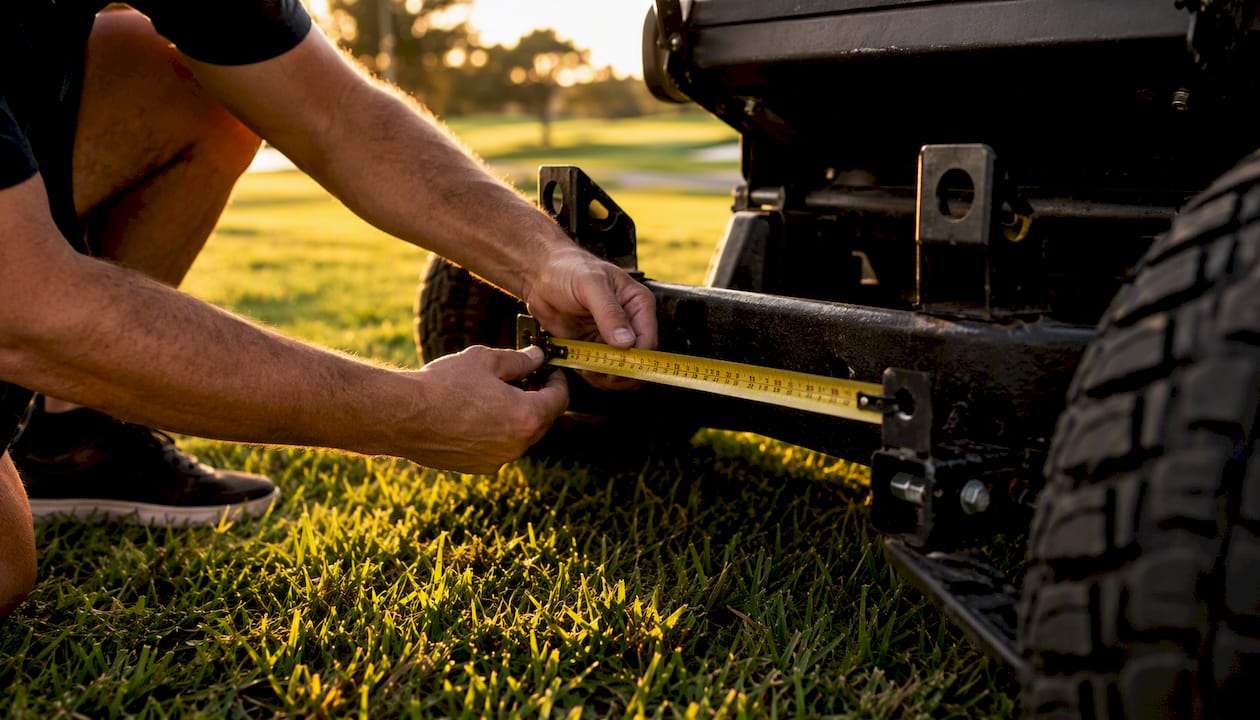
- Measure before you shop. Take three measurements: bolt-center-to-bolt-center (both fore-aft and side-to-side), seat width and depth, and backrest height. Write down your cart’s exact model and year.
Bolt pattern mismatches cause more returns than any other issue in this category. A cushion that looks identical to your factory seat can still fail to sit flush if the mounting holes are spaced even half an inch differently.
Before you buy, ask the seller these questions:
- Does this fit my exact model and year, or is it a “universal” fit?
- What foam density and vinyl grade does the seat use?
- What’s the warranty period, and does it cover stitching and foam separately?
- What’s the return window if the fitment doesn’t match?
- What’s the estimated shipping time?
Watch for these red flags: no published bolt-pattern specs, no listed foam density or vinyl grade, a return policy buried in fine print or absent entirely, and stock photos with no fitment table. Clear fitment specs and visible warranty terms are the two strongest trust signals a seat listing can show you.
Installing and Upgrading Golf Cart Seats: What to Expect
Most seat work falls into three categories, and each one demands a different amount of time and tools.
- Bolt-on rear flip-seat kit. Remove the rear cargo box, align the kit’s mounting brackets with your frame’s bolt holes, and torque down the provided hardware. Budget two to four hours for a first-time install. You’ll need a socket set, a torque wrench, and sometimes a drill if your frame lacks pre-drilled holes.
- Swapping OEM cushions. Unbolt the old cushion, confirm the new one’s bolt spacing matches, and bolt in the replacement. This is usually the fastest job, often under an hour per seat.
- Replacing seat covers. Stretch the new cover over the existing foam base and secure it with the provided straps or hog rings. Expect 30 to 45 minutes per seat with no special tools beyond a rubber mallet or hog ring pliers.
Comfort upgrades that don’t require a full seat swap include adding lumbar pads, installing aftermarket armrests, fitting non-slip seat anchors, or upgrading to thicker foam inserts. These are the fastest wins if your seats are structurally fine but just uncomfortable on long rides.
Decide between DIY and professional installation based on three factors: whether you’re adding passenger weight (which can affect suspension load), whether the job requires drilling into the frame, and whether a warranty requires professional installation to stay valid. Retailers that publish step-by-step installation guides tend to see far fewer failed DIY attempts, since buyers know exactly what tools and steps to expect before they start.
On thermoregulated seats: products like the Aviator ThermaFlex line use active heating and cooling elements, which typically require 12-volt power access and integrated wiring. Confirm your cart’s electrical system can support the added load before buying, and treat marketing claims about “climate control” as a comfort feature, not a guaranteed performance spec.
Pro Tip: Adding a rear flip-seat kit shifts weight distribution toward the back of the cart. If you’re regularly carrying two extra adults, check whether your cart’s rear springs or shocks need an upgrade too. Retailers that sell seat kits often stock matching suspension parts for exactly this reason.
What I’d Actually Buy: A Straight Answer on Seat Upgrades
Most guides tell you to “consider your options” and leave you no closer to a decision. Here’s the blunt version: measure first, buy second, install third. Skipping the measurement step is the single most common reason seat upgrades get returned.
If I were upgrading my own cart, I’d start by pulling out a tape measure before opening a single product page. Bolt-center spacing and cushion flange depth solve more fitment headaches than any amount of product research. A seat that photographs beautifully but sits crooked because the mounting holes are half an inch off is worse than no upgrade at all.
The order matters too. Measure your bolt pattern and seat footprint first. Then decide whether you need a cushion, a cover, or a full flip-seat kit. Only after that should you compare specific products, because comfort features like contoured foam or thermoregulation are wasted money if the seat doesn’t fit correctly in the first place.
The biggest mistake I see is buying something labeled “universal” without confirming actual thickness and bolt alignment. Universal fit means it might work on many carts. It doesn’t mean it works on yours. The second most common mistake is ignoring shipping and return windows, especially with premium seats that take longer to manufacture and ship than basic covers.
If comfort is your priority and you’re willing to spend more, a premium contoured seat earns its price. If you just need more seats, a flip-seat kit is the more direct fix. Don’t buy both trying to solve one problem.
Skip the Parts Search: Buy a Cart With Seats Already Upgraded
If measuring bolt patterns and comparing five retailer sites sounds like more effort than you want to spend, Import Junkies offers a more direct route. Instead of sourcing a rear seat kit, checking suspension compatibility, and hoping the fitment matches, you can buy a cart where the upgraded seating and flip-seat function are already built in and tested at the factory.
The 48V Electric Golf Cart 4-Seater Renegade Edition comes with flip-seat capability and upgraded seating from the start, backed by vehicle-level warranty coverage. If you want a different look, the Silver Renegade X Edition and the Lifted Renegade+ 2.0 Edition offer the same turnkey seating advantage with different styling and stance.
One honest note: some premium seat technology, like active heating and cooling, requires specific frame kits or additional wiring that aftermarket sellers don’t always disclose upfront. Buying a cart with seating already integrated sidesteps that risk entirely. If you’re not sure whether a specific model fits your needs, browse the full product catalog or reach out through the site’s contact options to ask about seat fitment before you buy.
Where to Learn More or Buy Parts
- How to install a rear seat kit on your golf cart, a step-by-step partner guide covering tools and common fitment issues.
- Custom golf cart seats: advantages every owner should know, a partner breakdown of premium materials and what separates custom seats from stock cushions.
- Customize your golf cart: complete personalization guide, Import Junkies’ own buyer education post on planning seat and accessory upgrades.
- Import Junkies product catalog, for browsing turnkey 4-seater carts with upgraded seating already installed.
Sources
Recommended
- Customize your golf cart: complete personalization guide – Saferwholesale || Import Junkies || Great Sports
- Golf cart features: a complete buyer’s guide for 2026 – Saferwholesale || Import Junkies || Great Sports
- Golf cart lift benefits for utility and comfort – Saferwholesale || Import Junkies || Great Sports
- 48V Electric Golf Cart 2 Seater Renegade X Edition Golf Cart w/ Golf B – Saferwholesale || Import Junkies || Great Sports


