


 Location
 Login
Login
TL;DR:
- Choosing a utility vehicle requires careful evaluation of capacity, safety, comfort, and intended use.
- Gas, diesel, and electric UTVs suit different applications, from recreational to heavy-duty commercial work.
- Proper maintenance and selecting reputable brands with good dealer support are key for longevity and reliability.
Buying the wrong utility vehicle doesn’t just sting your wallet once. It costs you in lost productivity, unexpected repairs, and the frustration of a machine that simply doesn’t fit your work. Whether you’re managing a landscaping crew, maintaining a large property, or building out a commercial fleet, the stakes are real. This guide gives you a practical, step-by-step checklist for selecting, comparing, and maintaining a utility vehicle (UTV) that actually matches your needs. You’ll find real benchmarks, model comparisons, and maintenance schedules that go beyond the manufacturer’s brochure, so you can make a confident, informed decision from the start.
Table of Contents
- How to choose the right utility vehicle: Selection checklist
- Utility vehicle types and real-world examples
- Comparison table: Leading utility vehicles for every use case
- Essential maintenance checklist for your utility vehicle
- Extra considerations: Used vehicles, severe conditions, and edge cases
- Our perspective: What checklist advice misses for UTV buyers and owners
- Find your ideal utility vehicle with Import Junkies
- Frequently asked questions
Key Takeaways
| Point | Details |
|---|---|
| Match vehicle to needs | Choose utility vehicles with capacities and features suited to your tasks for the best performance. |
| Prioritize regular maintenance | Following a strict checklist prevents breakdowns and extends the life of your UTV. |
| Weigh fuel type pros and cons | Decide between gas, diesel, or electric by comparing maintenance, performance, and user environment. |
| Don’t skip dealer support | Buying from a brand with strong dealer networks ensures better parts and service over time. |
| Inspect thoroughly if used | Always inspect for frame, rust, and service records before buying a used utility vehicle. |
How to choose the right utility vehicle: Selection checklist
Now that you understand how important your purchase decision is, let’s break down the exact criteria you should use to evaluate utility vehicles. A UTV is a significant investment, and skipping even one key spec can mean buying a machine that underperforms on day one.
Key selection criteria include towing and payload capacity, passenger seating, cab sealing, durability, ease of maintenance, safety features, fuel type, ground clearance, top speed, and overall comfort. That’s a wide range of factors, and each one matters differently depending on your specific use case.
Here’s a working checklist to take into every evaluation:
- Towing capacity: Look for 1,400 to 2,500 lbs depending on your hauling needs. The Polaris Ranger 1000 tops out at 2,500 lbs towing, while the John Deere Gator handles up to 2,000 lbs.
- Cargo bed payload: Most capable models support 1,320 to 1,500 lbs in the bed. Verify the actual rating, not just the bed size.
- Passenger capacity: Standard UTVs seat 2 to 4 passengers. Larger crew or commercial models go up to 6 seats.
- Fuel type: Gas for power and lower upfront cost, diesel for jobs requiring sustained torque and longer run times, electric for turf-sensitive or low-noise environments.
- Ground clearance: Aim for at least 10 to 12 inches if you’re working in rough or uneven terrain.
- Safety features: Roll-over protection structures (ROPS), seat belts, and headlights are non-negotiable for commercial or recreational use.
- Comfort and ergonomics: Cab sealing, suspension quality, and seat adjustability matter more on long work days than buyers usually expect.
For vehicle comparison benchmarks that go beyond spec sheets, cross-reference manufacturer data with independent testing sources before you commit.
If your primary use is property upkeep, check out our guide to the best UTV for property maintenance for model-specific recommendations.
Pro Tip: Stick with established brands when possible. Their dealer networks make it far easier to source replacement parts and get service without long delays, which matters a lot when a machine is down mid-season.
Utility vehicle types and real-world examples
With your checklist in hand, it’s crucial to understand the main utility vehicle types and where they excel. Not every UTV is built for the same job, and choosing the wrong category is one of the most common and costly mistakes buyers make.
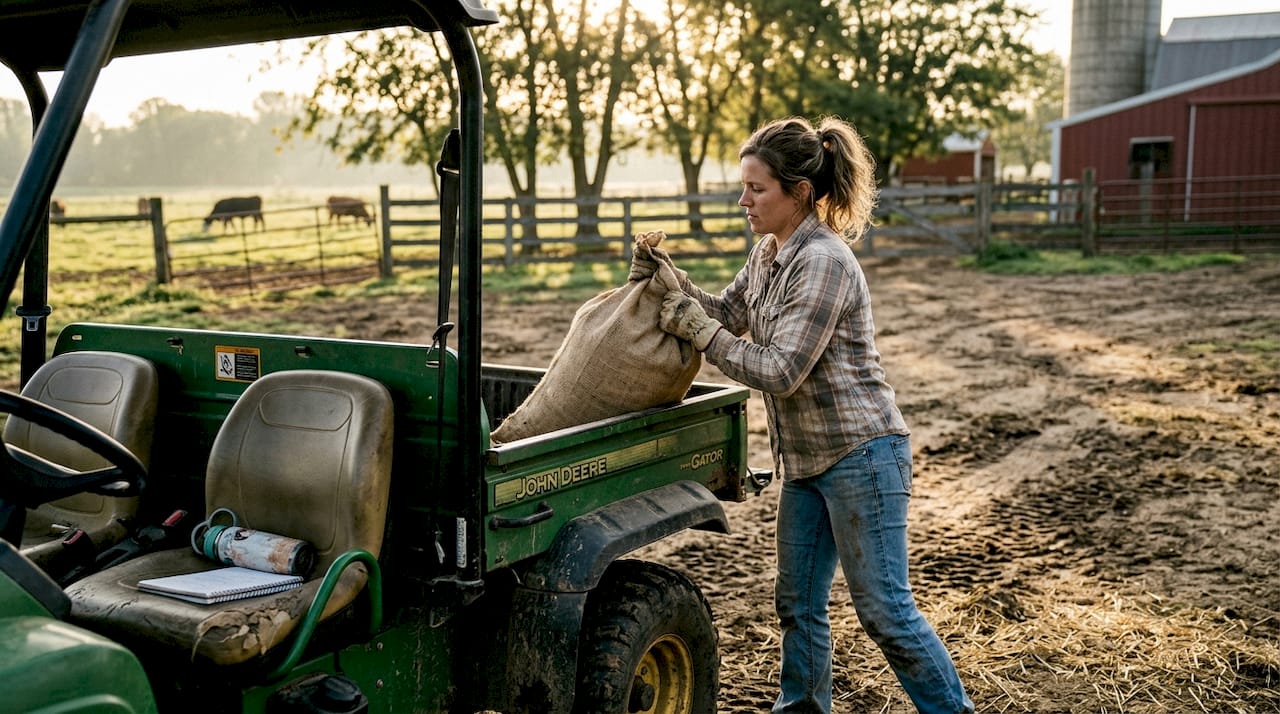
Gas UTVs deliver strong power output and are generally less expensive upfront. They’re the go-to for recreational riders and general-purpose commercial work where charging infrastructure isn’t available. Gas suits power and lower initial cost, making it the most common choice for landscapers and property managers.
Diesel UTVs are built for endurance. They burn fuel more efficiently under heavy loads and typically last longer between major services. Diesel UTV engines can reach 5,000 or more operating hours, compared to 2,000 to 3,000 hours for gas models. That’s a meaningful difference for commercial fleets running machines daily.
Electric UTVs shine in noise-sensitive environments like golf courses, residential properties, and indoor facilities. Electric vehicles offer lower maintenance requirements but do come with range limitations, and they’re not ideal for extended heavy-duty work in harsh weather. Electric models can go up to 200 hours between major services, which reduces downtime significantly.
For a deeper breakdown, our comparison of electric vs gas utility vehicles walks through the real cost and performance differences.
Here’s a quick look at typical applications by fuel type:
- Gas: General landscaping, trail riding, farm work, recreational use
- Diesel: Heavy hauling, large commercial properties, extended daily operation
- Electric: Golf courses, turf management, residential estates, indoor warehouses
For electric UTV maintenance specifics, including battery care and charging cycles, review the manufacturer’s schedule and supplement it with third-party guidance.
Comparison table: Leading utility vehicles for every use case
Let’s get specific by putting leading utility vehicles side-by-side to see which shines for your needs.
Empirical benchmarks show that Polaris leads in raw power and payload, while John Deere consistently ranks at the top for reliability and after-sales support. Here’s how four leading models stack up:
| Model | Towing capacity | Bed payload | Seats | Engine | Key strength |
|---|---|---|---|---|---|
| Polaris Ranger 1000 | 2,500 lbs | 1,500 lbs | 2 to 3 | 999cc gas | Power and payload |
| John Deere Gator XUV835 | 2,000 lbs | 1,400 lbs | 3 | 812cc gas | Reliability and support |
| Yamaha Viking VI | 1,500 lbs | 1,000 lbs | 6 | 686cc gas | Passenger capacity |
| Toro Workman HDX | 1,500 lbs | 1,320 lbs | 2 | Gas/electric | Turf and commercial use |
Who should pick which model? If you need maximum hauling power, the Polaris Ranger 1000 is hard to beat. For long-term reliability with strong dealer support, John Deere is the safer call. If you’re moving a crew of six regularly, the Yamaha Viking VI is purpose-built for that. The Toro Workman HDX works well for turf-sensitive commercial environments where you need flexibility between gas and electric.
For more options suited to property maintenance UTV options, we’ve put together additional picks across price ranges.
Pro Tip: Always check local dealer network density before buying. A great spec sheet means nothing if parts take three weeks to arrive during your busiest season.
Essential maintenance checklist for your utility vehicle
Once you’ve chosen your UTV, keeping it running at its best is all about regular, targeted maintenance. Skipping service intervals is where most owners lose money, and it’s almost always avoidable.
Pre-ride inspections and regular services can prevent up to 80% of breakdowns, with consistent attention to oil, filters, belts, and brakes making the biggest difference.
Here’s a numbered checklist to follow:
- Pre-ride check (every use): Inspect tire pressure and condition, fluid levels (oil, coolant, brake fluid), brake function, all lights, and suspension components for visible damage.
- Oil and filter service: Every 25 to 50 hours under normal conditions, or every 25 hours in dusty or muddy environments.
- Air filter inspection: Check every 25 hours and replace more frequently if you’re working in heavy dust. A clogged air filter reduces engine output noticeably.
- Drive belt inspection: Check for cracking, fraying, or glazing every 50 hours. Belts are a common failure point and inexpensive to replace proactively.
- Spark plugs: Replace every 100 hours or per manufacturer schedule. Worn plugs affect fuel efficiency and starting reliability.
- Brake inspection: Check pad thickness and rotor condition every 50 hours, or sooner for commercial use.
- Severe use adjustment: If you’re running the machine in mud, deep dust, or for commercial daily use, cut all service intervals in half.
For off-road UTV prep before trail or terrain use, add a full suspension and skid plate inspection to your pre-ride routine.
If you’re evaluating a used machine, our guide on how to inspect used utility vehicles covers what to look for before you buy.
Pro Tip: Log every service digitally, including hours, parts replaced, and dates. This protects your warranty and adds measurable resale value when it’s time to upgrade.
Extra considerations: Used vehicles, severe conditions, and edge cases
Finally, special scenarios, including buying used or operating in tough conditions, require a few extra checklist items. These situations introduce risks that standard buying guides rarely address in enough detail.
When buying used, always check the frame for cracks or welds that suggest past damage, look for surface rust and deeper corrosion under the bed and around the axles, verify a complete service record, and insist on a test ride before signing anything. A machine that looks clean on the surface can hide significant mechanical wear.
Here’s a focused checklist for used vehicle inspection and special operating conditions:
- Frame integrity: Look for cracks near welds, bent components, or signs of a previous rollover
- Rust assessment: Surface rust is manageable; structural rust on the frame or axles is a dealbreaker
- Service records: No records means no way to verify maintenance history. Walk away or price accordingly.
- Test ride: Listen for unusual engine noise, check steering response, and test brakes at low speed
- Severe environment prep: For mud, snow, or heavy dust, verify the air intake is elevated and protected, and confirm the cooling system is adequate
- Electric fleet considerations: Measure actual battery range under load, not just the rated range. Check battery age and cycle count if available.
- Dealer and brand network: For remote or commercial sites, a strong local dealer relationship is your safety net when something breaks
For a full maintenance checklist that covers both new and used UTVs across all fuel types, use a structured reference to stay consistent across your fleet. You can also use our used UTV inspection checklist as a starting point before any purchase.
Our perspective: What checklist advice misses for UTV buyers and owners
To wrap up, here’s our take on what most UTV checklists and buying guides leave out. Checklists are valuable, but they can create a false sense of certainty if you treat them as the final word.
Specs rarely tell the whole story. A vehicle that looks perfect on paper might feel wrong the moment you sit in it, especially if the ergonomics don’t match your build or the steering feel doesn’t suit your terrain. Test multiple UTVs for fit over specs alone. The best paper choice isn’t always best for you.
After-sales service and parts access often matter more than small feature gaps between models. A machine with slightly lower towing capacity but a dealer two miles away will outperform a theoretically superior model with no local support. We’ve seen buyers regret premium purchases simply because they couldn’t get parts when it counted.
Digital service logging and a solid dealer relationship will protect your investment as much as any spec advantage. For in-depth UTV picks that factor in real-world support and usability, use our curated guides alongside your checklist.
Find your ideal utility vehicle with Import Junkies
If you’re ready to select or upgrade your utility vehicle with confidence, here’s how we can help.
At Import Junkies, we carry a wide selection of new and specialty UTVs built for recreational use, landscaping, and commercial work. Whether you need a six seater UTV for moving a full crew or an electric utility vehicle for turf-friendly, low-maintenance operation, we have options across both categories. Browse our inventory online, compare models side-by-side, and reach out to our team for personalized recommendations based on your specific job requirements and budget.
Frequently asked questions
What is the most important item on a utility vehicles checklist?
Match the vehicle’s towing and payload capacity to your specific tasks. Towing and payload should always align with intended use, since mismatches directly affect safety, performance, and long-term durability.
How often should I do maintenance on my UTV?
Pre-ride inspections are needed before every use. Oil and air filter services should happen every 25 to 100 hours depending on your operating conditions, with shorter intervals for dusty or muddy environments.
Is an electric UTV better for landscaping or commercial use?
Electric UTVs are well-suited for landscaping because of their low noise and reduced maintenance needs. However, electric UTVs excel in controlled environments and may fall short for heavy-duty commercial jobs with range demands or extreme weather exposure.
What should I look for when buying a used utility vehicle?
Focus on frame integrity, rust, and a complete service history. Inspect frame, rust, and service records carefully, and always insist on a test ride before finalizing any purchase.
Does brand matter for parts and service?
Yes, significantly. Established brands simplify parts sourcing and service access, which is especially critical for commercial operators who can’t afford extended downtime waiting on specialty components.
Recommended
- Best UTV for Property Maintenance – Saferwholesale || Import Junkies || Great Sports
- How to inspect used golf carts: a step-by-step guide – Saferwholesale || Import Junkies || Great Sports
- Mini Truck Utv Atv With Snow Plow Utility Mini jeep UTV Off-Road Vehic – Saferwholesale || Import Junkies || Great Sports
- 200cc UTV With Snow Plow & Dump Bed Gas Golf Cart Utility Vehicle Snow – Saferwholesale || Import Junkies || Great Sports
- Vehicle inspection checklist for used car buyers 2026 | Vektracer
- Vehicle rental checklist for small and medium fleets in 2026 | Nomora


