


 Location
 Login
Login
TL;DR:
- Buying wholesale vehicles can save you 15% to 20% compared to retail prices by eliminating dealer markups and overhead costs. However, wholesale purchases carry risks such as “as-is” condition, lack of warranties, and additional fees, requiring thorough inspections and proper planning. Wholesale sourcing is especially advantageous for businesses with recurring vehicle needs, offering lower costs and documented maintenance for fleet vehicles.
If you’ve ever walked off a retail lot feeling like you paid more than you should have, you probably did. Understanding why purchase wholesale vehicles makes sense comes down to one reality: retail pricing is built to cover everyone’s overhead except yours. Every commission, every showroom light, and every marketing campaign gets folded into the sticker price. Wholesale purchasing cuts through that structure entirely, giving businesses and individuals direct access to vehicles at prices closer to what the market actually supports. This guide breaks down what wholesale vehicles are, where the savings come from, and how to buy smart.
Table of Contents
- Key Takeaways
- What wholesale vehicles actually means
- Why purchase wholesale vehicles over retail
- Risks and challenges you need to plan for
- How to evaluate and choose the right wholesale vehicle
- Wholesale vehicle trends worth knowing in 2026
- My take on wholesale vehicle buying
- Ready to buy wholesale utility vehicles?
- FAQ
Key Takeaways
| Point | Details |
|---|---|
| Wholesale saves 15% to 20% | Bypassing retail markups gives buyers real savings, often $2,000 to $5,000 per unit. |
| Not everyone gets direct access | Most wholesale auctions require a dealer license; private buyers typically need a licensed broker. |
| Fleet vehicles offer reliability | Fleet units often carry documented maintenance records, making them lower-risk wholesale purchases. |
| Fees can erode savings fast | Auction buyer fees, transport, and reconditioning costs can add 5% to 40% on top of the winning bid. |
| Timing and research matter | The 2026 wholesale market is competitive, so condition reports and vehicle history checks are non-negotiable. |
What wholesale vehicles actually means
Wholesale vehicles are units sold outside the traditional retail channel, typically between dealers, at auctions, or directly from fleet operators and rental companies. When you buy wholesale, you are buying closer to the source. There is no dealership lot, no finance manager pushing extended warranties, and no marketing budget baked into the price. That’s the core of what wholesale vehicles mean.
The wholesale vehicle market operates through several channels:
- Dealer-only auctions like Manheim or Copart, where only licensed dealers can bid directly
- Public wholesale auctions, which offer broader access but sometimes with limited vehicle information
- Direct fleet sales, where companies selling off vehicles in bulk offer pricing outside standard retail
- Wholesale vehicle retailers, which are businesses that purchase wholesale and resell to the public at reduced margins compared to traditional dealerships
What is a wholesale vehicle retailer exactly? Think of it as a dealer that skips the showroom model. They source vehicles at wholesale prices, do minimal markup, and pass a portion of those savings to buyers. Importjunkies operates similarly for utility vehicles and specialty equipment, buying at scale and offering pricing that reflects that efficiency.
The difference between wholesale and retail comes down to layers. Retail adds profit at each layer: the manufacturer, the distributor, and the dealer. Wholesale eliminates at least one or two of those layers, and sometimes all of them.
Why purchase wholesale vehicles over retail
The financial case for wholesale vehicle purchasing is straightforward. Retail markups typically add $2,000 to $5,000 per unit to cover real estate, commissions, and advertising. Multiply that across even a small fleet of five vehicles, and you’re looking at $10,000 to $25,000 in pure overhead costs you didn’t have to pay.
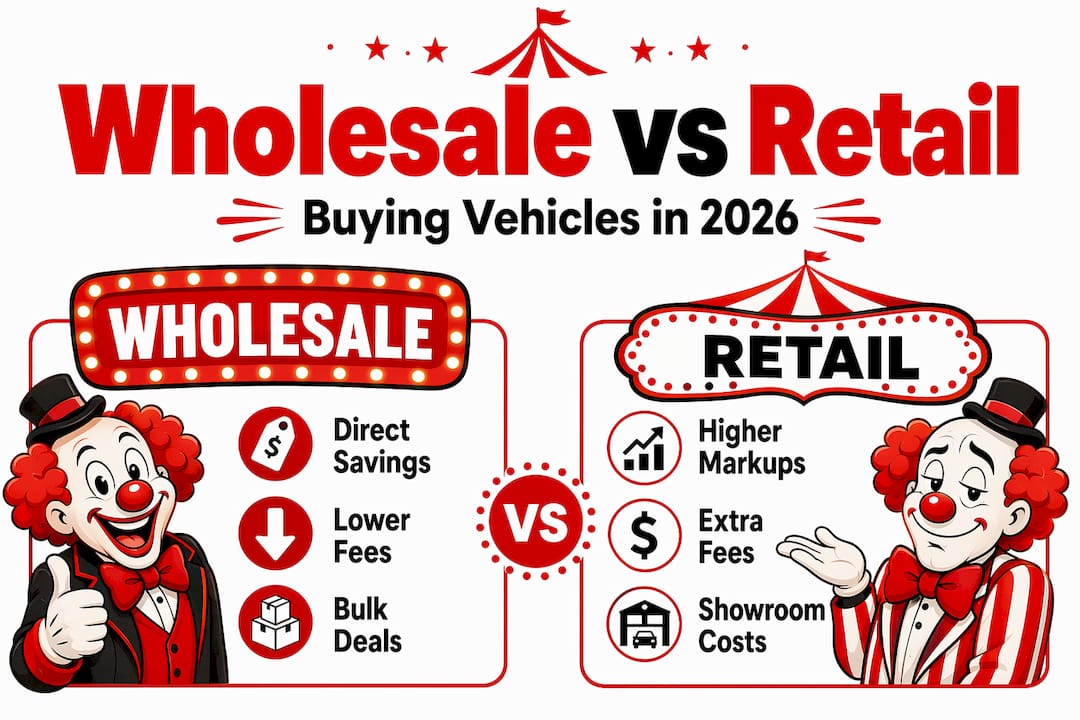
The savings rate is consistent. Buyers purchasing wholesale vehicles save 15% to 20% compared to retail when sourced through the right channels. For a business acquiring utility vehicles, ATVs, or golf carts for operations, that percentage represents real working capital redirected back into the business.
The advantages of wholesale auto sales go beyond the initial purchase price:
- No dealer financing pressure: You’re not steered toward in-house loans with inflated interest rates
- Volume discounts: Buying in bulk often unlocks lower per-unit pricing, especially with direct fleet sellers
- Lower total cost of ownership: Starting with a lower acquisition price means your depreciation curve works in your favor
- Faster acquisition cycles: Wholesale channels move inventory quickly, which matters when you need vehicles operational on a schedule
Pro Tip: When evaluating the benefits of buying wholesale cars for a business fleet, calculate your total cost of ownership across three years. Factor in acquisition price, expected maintenance, and resale value. Wholesale vehicles often win decisively on that three-year number even if initial condition requires some investment.
The benefits of wholesale vehicle shopping scale with volume. One vehicle saves you a few thousand dollars. Ten vehicles could save you more than the cost of a new piece of equipment or another hire. That’s why businesses with recurring vehicle needs almost always migrate toward wholesale sourcing once they understand the math.
Risks and challenges you need to plan for
Wholesale vehicles come with a different set of responsibilities than retail purchases, and knowing them ahead of time is what separates a smart buyer from an expensive lesson.
The most significant risk is the “as-is” condition of wholesale vehicles. Wholesale vehicles are sold without warranties, often without financing, and sometimes without current inspection stickers. If something is wrong mechanically, that cost falls on you. There’s no dealer service department to call and no manufacturer warranty to invoke.
Here’s a practical framework for managing wholesale vehicle purchasing risks:
- Get a pre-purchase inspection. For any wholesale vehicle above a certain price threshold, hire an independent mechanic to inspect the unit before you commit. The cost of an inspection is a fraction of a surprise repair bill.
- Pull the vehicle history report. Services like CARFAX or AutoCheck reveal title issues, accident records, and odometer discrepancies. Never skip this step.
- Understand your state’s licensing requirements. Selling over five vehicles per year in New York requires a dealer license, surety bond, and a registered business location. Other states have similar thresholds. If you’re buying wholesale at volume, know where the regulatory line is in your state.
- Budget for auction fees. Total buyer costs including auction fees can run 5% to 40% above the winning bid. Buyer premiums, transport, and reconditioning add up faster than most first-time buyers expect.
- Use a licensed broker if you lack dealer access. Most wholesale auctions require dealer licenses; if you’re a private buyer, a broker gives you access but adds fees and logistical steps that affect your net savings.
Pro Tip: Before you bid at any auction, set a hard ceiling that includes your estimated reconditioning cost. If the bid plus fees plus projected repairs exceeds what you’d pay at a reputable wholesale retailer, walk away. Discipline in bidding is a wholesale purchasing skill that takes practice.
Successful wholesale purchasing requires disciplined sourcing and appraisal precisely because retail protections don’t exist here. The buyers who consistently come out ahead treat every purchase like a business decision, not an impulse buy.
How to evaluate and choose the right wholesale vehicle
Smart wholesale buying starts well before you place a bid or sign a purchase agreement. The evaluation process is where you protect your investment and confirm you’re actually getting value, not just a low price.
Reviewing records and condition reports
Fleet vehicles are often better maintained than private-use vehicles because fleets operate under strict service schedules designed to minimize downtime. When you find a wholesale vehicle with documented fleet history, that paperwork is worth money. It’s evidence the vehicle was serviced on time, not just when something broke.
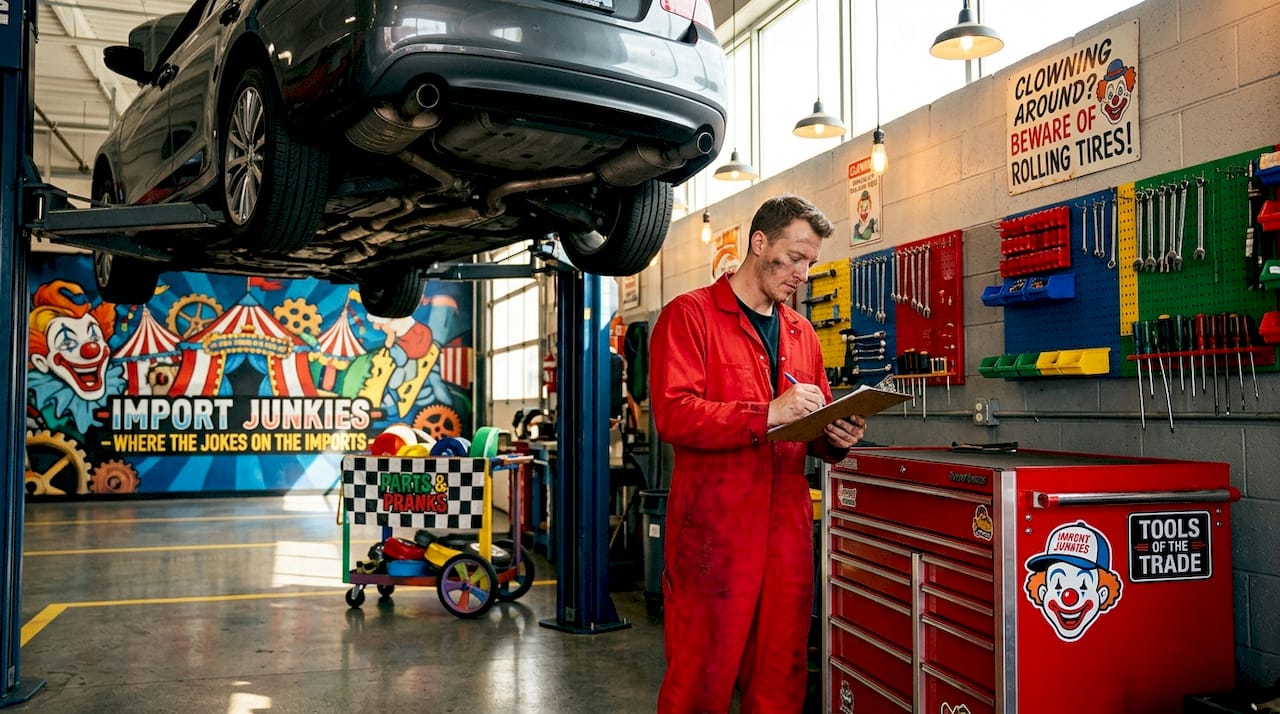
For vehicles without fleet history, rely on platform condition reports. Auction houses grade vehicles on exterior, interior, and mechanical condition. Read those reports carefully, and cross-reference with a vehicle history check to confirm what the grading reflects.
Comparing your sourcing options
| Platform | Access | Typical Buyer | Key Consideration |
|---|---|---|---|
| Manheim | Dealer license required | Licensed dealers | Large inventory, competitive pricing |
| Copart | Open to public with registration | Dealers and public | Salvage-heavy inventory, buyer must verify title |
| Direct fleet sales | Open negotiation | Businesses, fleet managers | Best for bulk, requires relationship building |
| Wholesale retailers | Open to public | Individuals and businesses | Transparent pricing, lower barrier to entry |
When deciding where to source, match your buyer profile to the platform. If you have a dealer license, Manheim gives you access to one of the largest wholesale vehicle pools in the country. If you’re a private buyer, wholesale retailers or broker-assisted auction access are your most practical paths.
Here’s what to prioritize when evaluating any wholesale vehicle:
- Uniform specifications if you’re building a fleet. Standardizing makes maintenance cheaper and staff training simpler.
- Mileage relative to vehicle age, not just mileage alone. A utility vehicle with 40,000 miles that was serviced every 3,000 miles is a better buy than one with 25,000 miles and no records.
- Availability of parts. Less common models can create expensive supply chain delays later.
Pro Tip: Check out Importjunkies’ utility vehicle buyer’s guide for a clear breakdown of cost considerations and what to look for when buying specialty vehicles at wholesale prices.
Wholesale vehicle trends worth knowing in 2026
The wholesale vehicle market in 2026 is more active and more competitive than it was even two years ago. Wholesale auction sales rose 2% month-over-month in April 2026, and commercial consignor volume grew 20% year over year. More supply sounds like good news for buyers, but increased buyer competition is keeping prices elevated.
A few trends shaping wholesale vehicle purchasing right now:
- Older vehicle values are rising. Vehicles older than 10 years saw sales increase 30%, reflecting demand for affordable units in a high-price environment.
- Used EV wholesale prices surged 11.4% year over year as of mid-2026, signaling that the window for budget electric vehicle acquisition is narrowing.
- Experienced dealers are shifting strategy. Dealers increasingly prefer direct trade-ins over auction lanes to avoid competitive bidding pressure, which affects supply in traditional channels.
For business owners, the practical conclusion is that timing matters. Waiting for prices to drop across the board is not a reliable strategy right now. Instead, focus on buying when condition and price align, regardless of broader market movements.
Wholesale vehicle purchasing remains one of the most cost-effective acquisition strategies available. The savings are real, the market is accessible with the right preparation, and the advantages of wholesale auto sales compound when you’re managing multiple vehicles or recurring acquisition cycles.
My take on wholesale vehicle buying
I’ve watched buyers leave serious money on the table simply because the retail experience feels safer and easier. It does feel easier, at least at first. But that convenience has a price tag attached, and most buyers don’t realize they’re paying it until they compare their purchase price to what the same vehicle sold for at auction the week before.
What I’ve found is that the buyers who consistently win in wholesale markets share one trait: they treat vehicle acquisition as a process, not an event. They know their maximum price before they show up. They’ve reviewed the condition report, pulled the history, and estimated reconditioning costs. They don’t get emotionally attached to a specific unit. If the numbers don’t work, they move on.
The most common mistake I see from first-time wholesale buyers is underestimating the total cost. They win the bid and feel great, then get surprised by transport fees, buyer premiums, and a repair the condition report downplayed. The savings are real, but only if you account for the full picture from the start.
Fleet vehicles are where I consistently see the best value in wholesale markets. Fleet-maintained vehicles have a reliability track record you simply can’t replicate with a private seller’s word. For anyone building a utility vehicle fleet for a business, starting with documented fleet units is worth paying a modest premium over unknown-history alternatives.
The 2026 market is competitive, but wholesale still beats retail for buyers willing to do the work. That’s not going to change regardless of how the market shifts.
— Gary
Ready to buy wholesale utility vehicles?
If the benefits of buying wholesale cars have you looking for your next utility vehicle, ATV, or golf cart, Importjunkies makes it easier to act on that without needing a dealer license or an auction account.
Importjunkies operates as a wholesale vehicle retailer selling directly to the public, which means competitive pricing without the traditional dealership overhead. The MSA 300cc 4x4 UTV with snow plow and the 48V electric golf cart Renegade Edition are two popular options built for both commercial and personal use. Whether you’re outfitting a property, a golf course, or a small operation, browse the full catalog at Importjunkies and use the smart buyers checklist to evaluate your options before you commit.
FAQ
What does wholesale vehicles mean?
Wholesale vehicles are sold outside the traditional retail channel, typically through auctions, fleet disposals, or wholesale retailers, at prices that exclude standard dealership markups and commissions.
Why choose wholesale vehicles over a dealership?
Wholesale pricing removes the $2,000 to $5,000 per-unit retail markup, giving buyers direct access to lower acquisition costs, especially for businesses purchasing multiple vehicles.
Is buying wholesale vehicles worth it for small businesses?
Yes, particularly for businesses acquiring utility vehicles, golf carts, or ATVs in volume. The per-unit savings compound quickly, and fleet-sourced vehicles often carry documented maintenance histories that reduce reliability risk.
Do you need a dealer license to buy wholesale vehicles?
Most dealer-only auctions like Manheim require a dealer license, but private buyers can access wholesale pricing through licensed brokers or by purchasing directly from wholesale vehicle retailers like Importjunkies.
What are the biggest risks when buying wholesale vehicles?
Wholesale vehicles are typically sold as-is without warranties, so undisclosed mechanical issues and compliance gaps become the buyer’s responsibility. Thorough vehicle history checks and pre-purchase inspections reduce that risk significantly.
Recommended
- How to get utility vehicles for less: a buyer’s guide – Saferwholesale || Import Junkies || Great Sports
- Top 3 SaferWholesale.com Alternatives Marketplaces 2026 – Saferwholesale || Import Junkies || Great Sports
- Used golf carts: Save money, go green, get more done – Saferwholesale || Import Junkies || Great Sports
- The ultimate utility vehicles checklist for smart buyers – Saferwholesale || Import Junkies || Great Sports


